


Female power: Corn silk and cochineal
$ 4,500.00
Size: 60x100cm; 2x3ft
Related Items
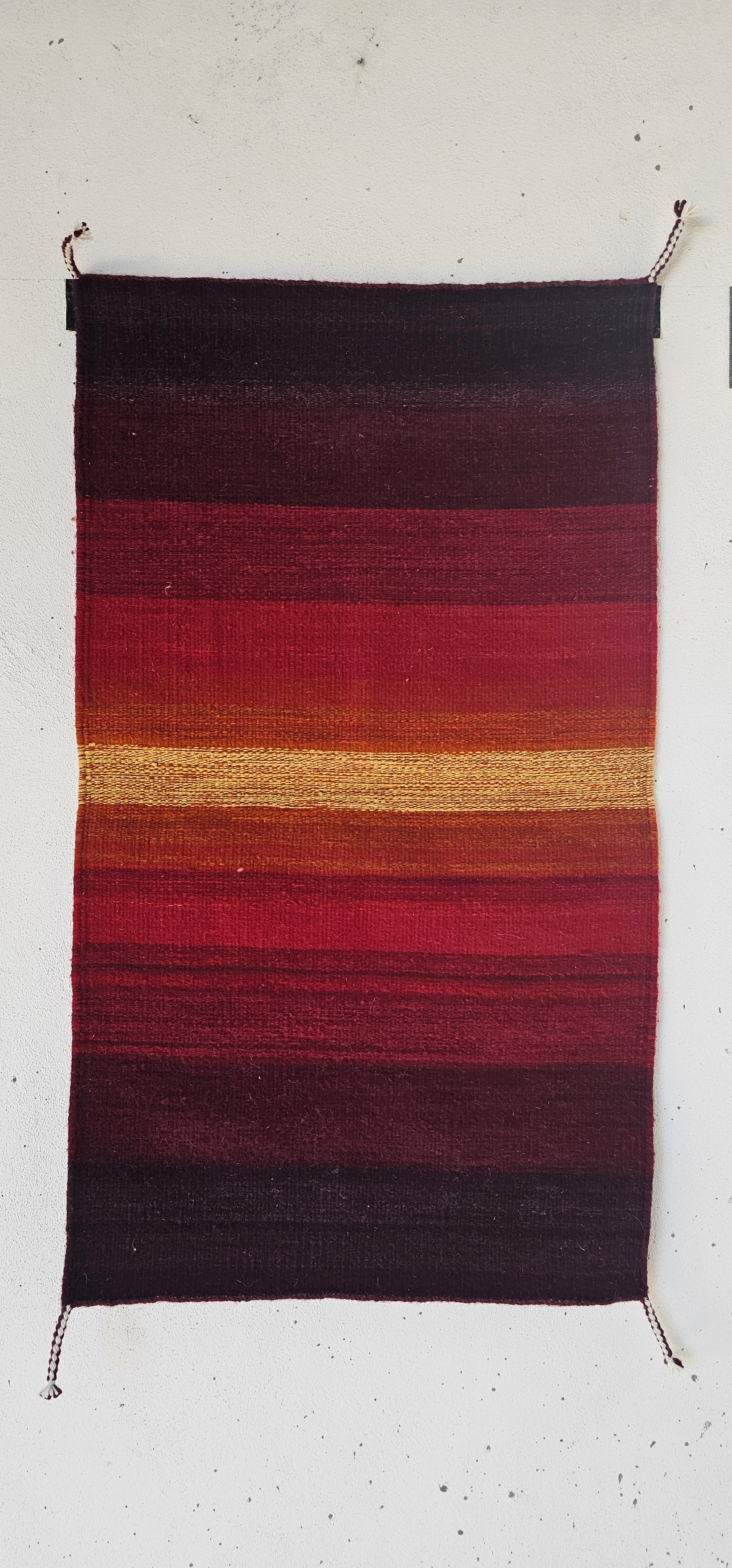
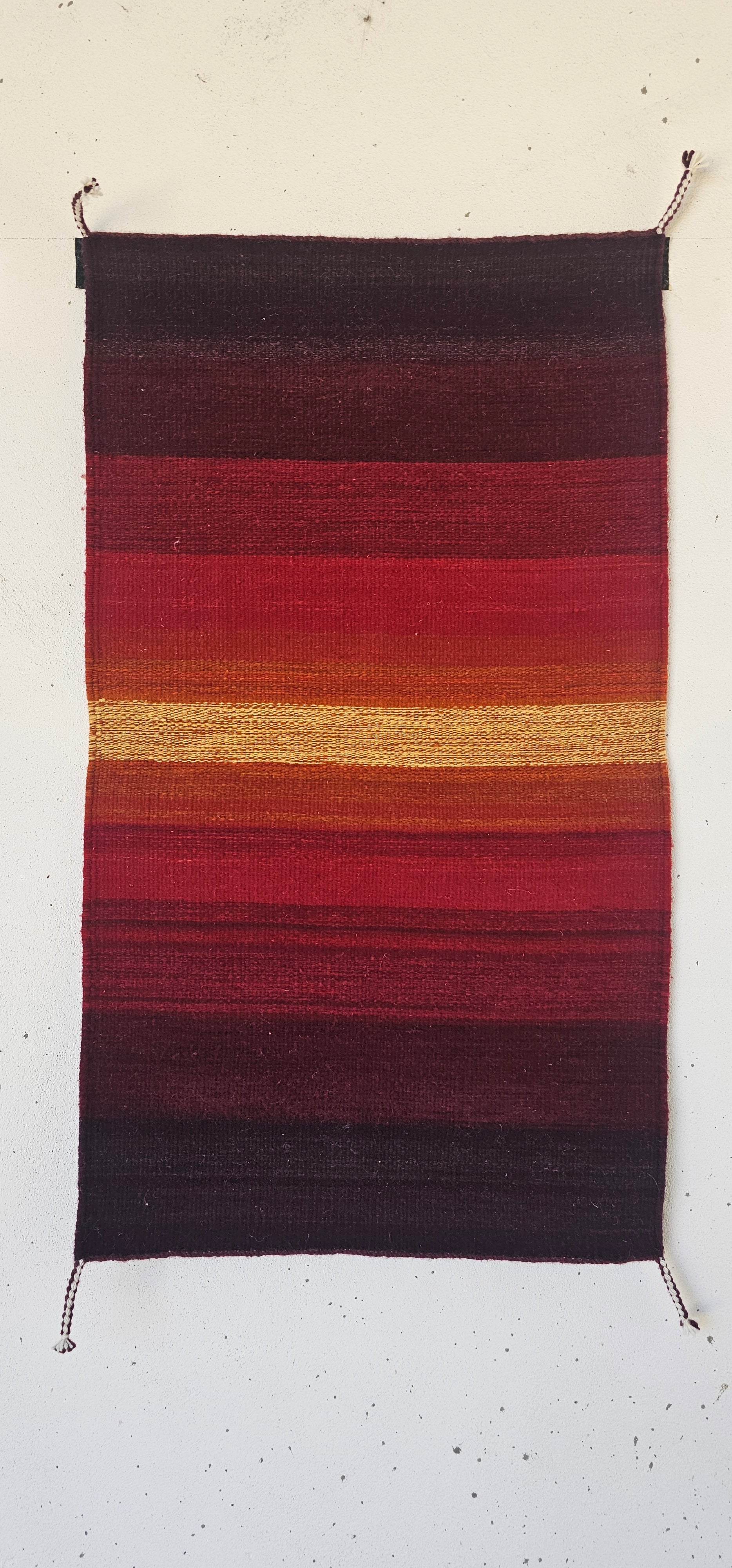
Punta Cometa: fire tending
$ 4,600.00
60x100cm; 2x3ft Materials ans methods: criollo sheep wool hand dyed with colorfast aniline dyes using an exhaustive method. Handwoven on a Zapotec style loom of the 16th century adapted from European...
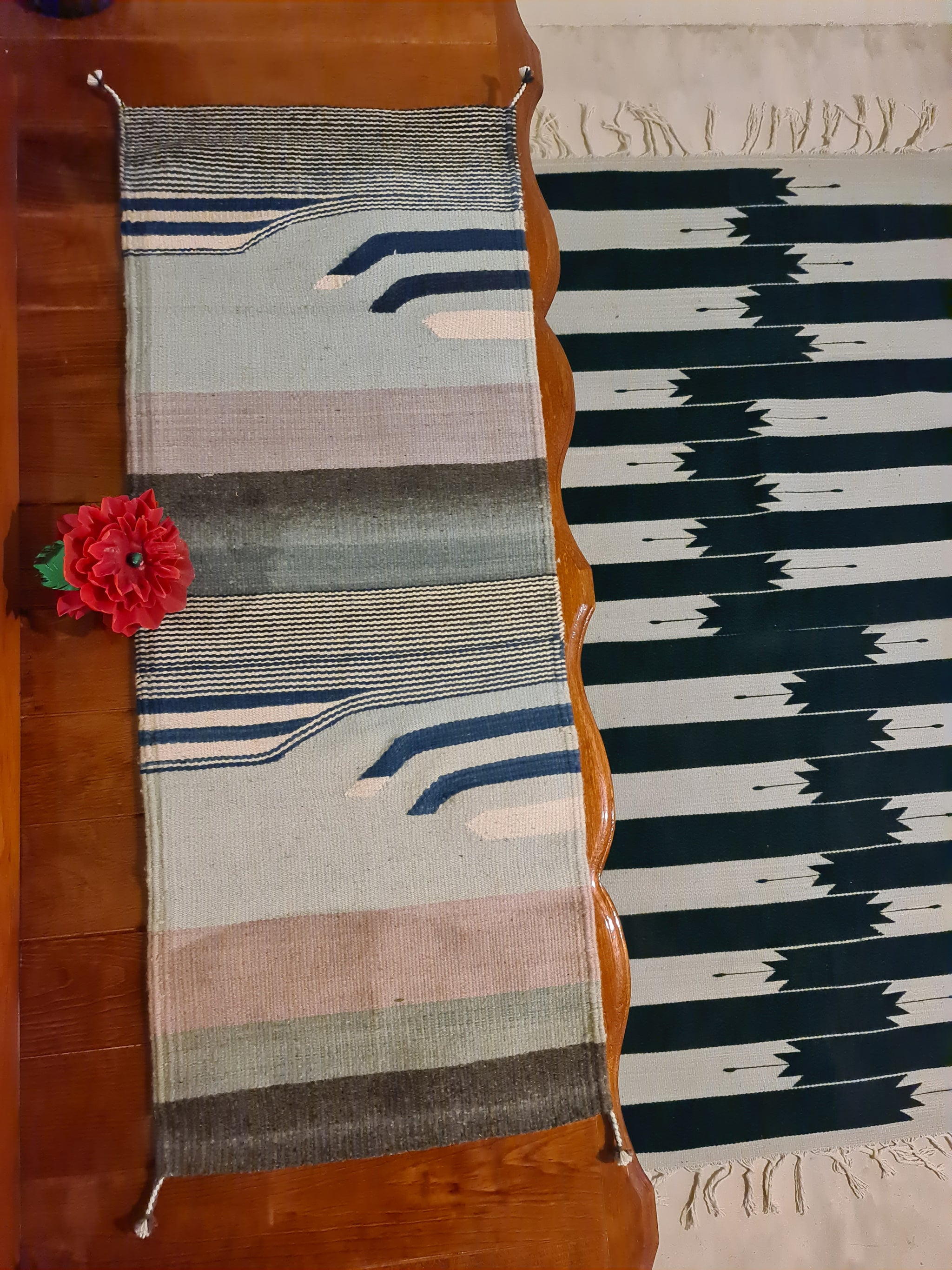
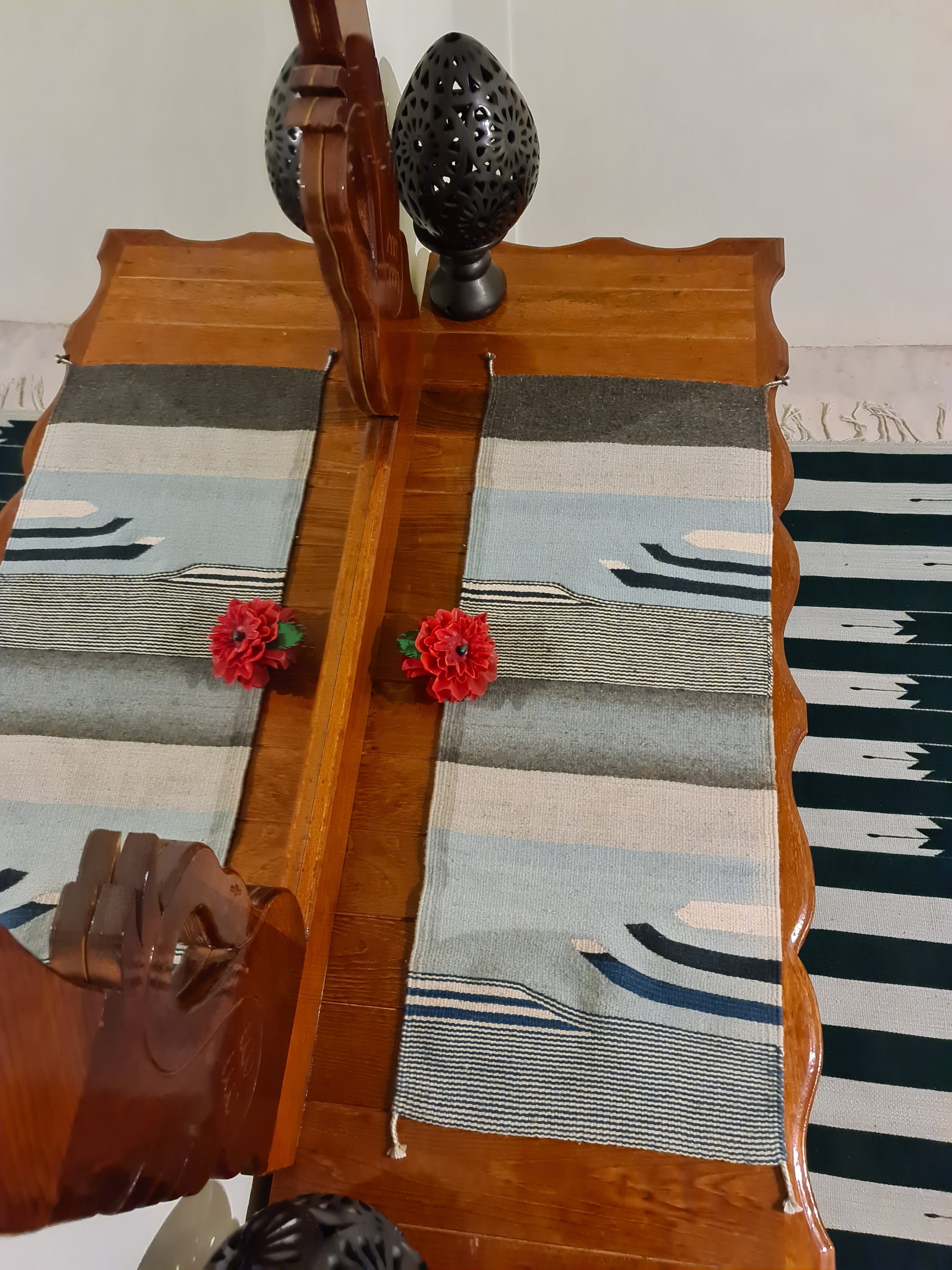
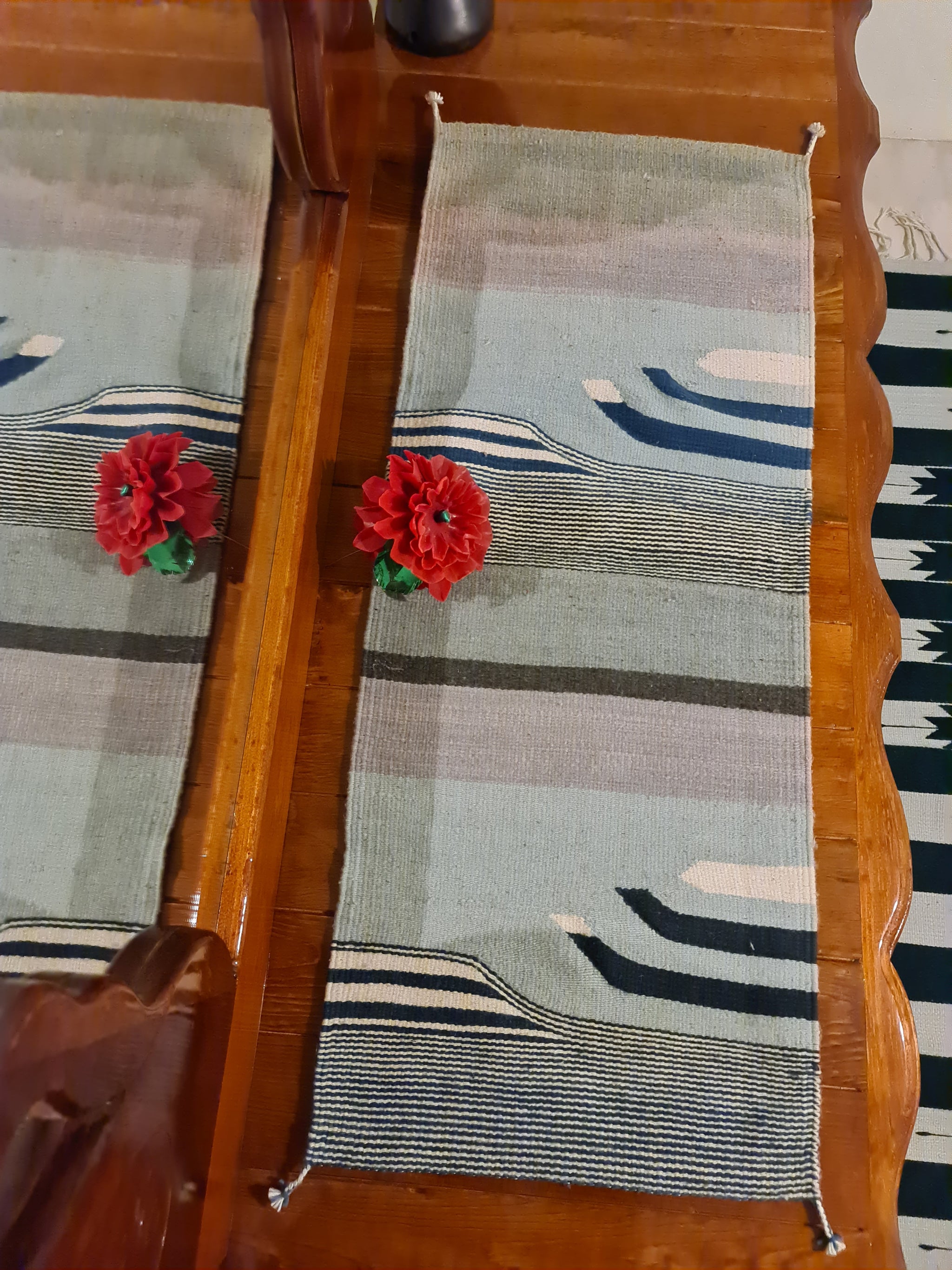
River Spirit
$ 3,110.00
Size: 40x100cm; 16in x 3.2ft Weaver: Zenaida Lopez from San Miguel del Valle Materials and Methods: Criollo sheep wool hand dyed by Leonor Lazo and Samuel Bautista using xiuhquilitl (indigo)...


Yaag Chei: tree of life
$ 5,500.00
Size: 60x100cm; 2x3ft Master Weaver: Samuel Bautista Lazo Materials and methods: criollo sheep wool spun in the mills of the Batalla family in Tianguistengo. Hand dyed yarns by Leonor Lazo using...
