


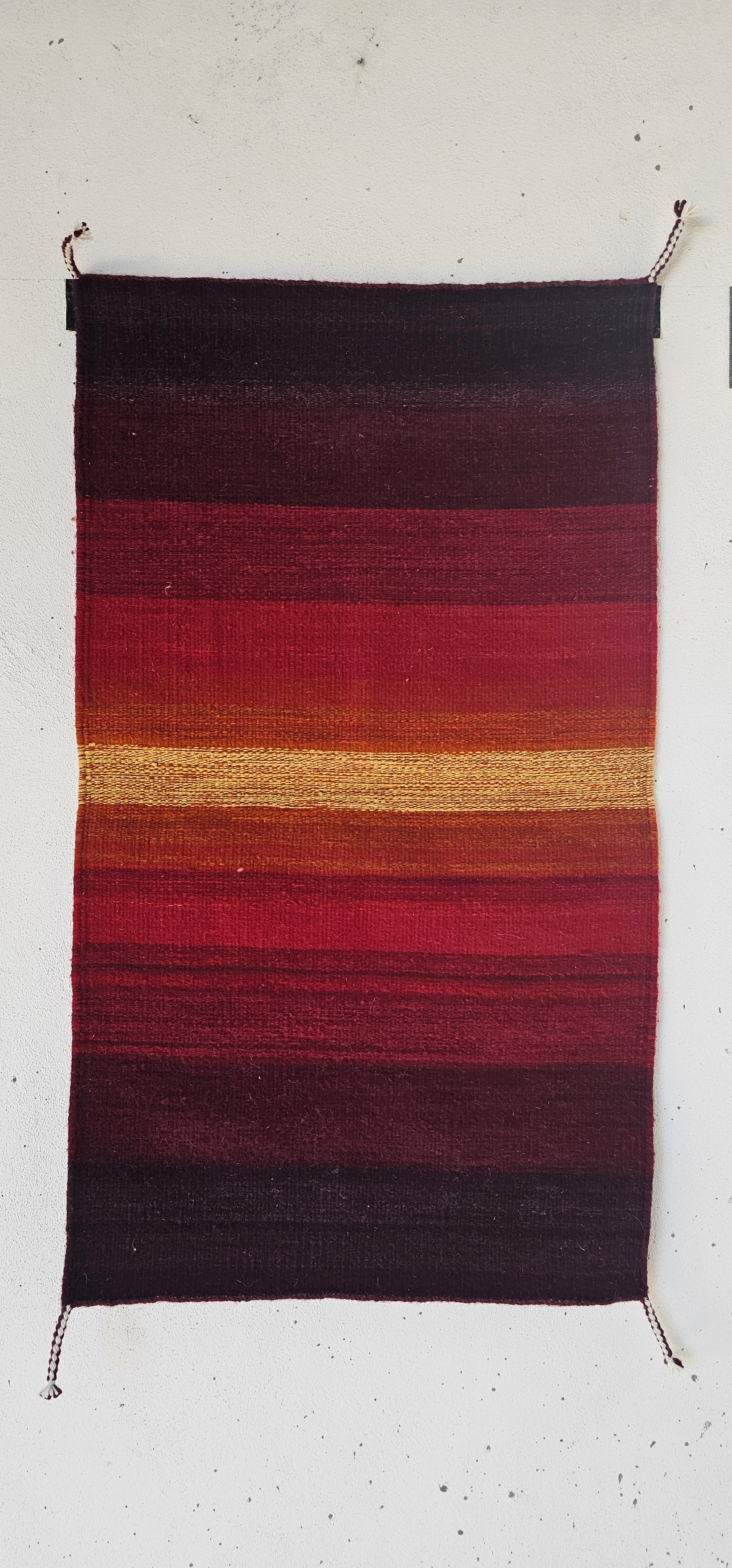
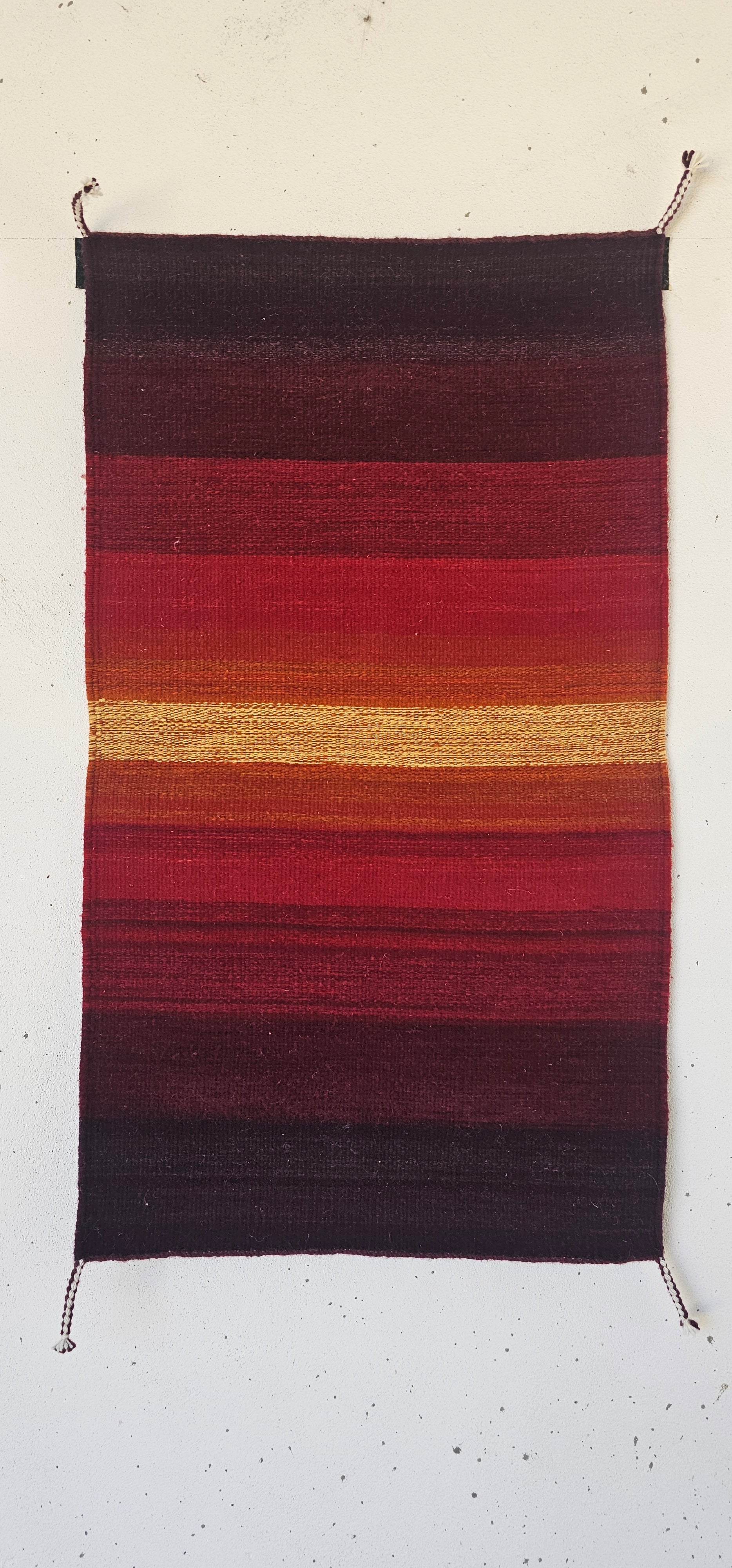
Mayan prophecies: prehispanic statistics.
$ 4,500.00
Size: 60x100cm; 2x3ft
Weaver: Gregorio Gutierrez
Materials and methods: criollo sheep wool hand dyed with natural dyes: Bèé (cochineal) Dactylopius Cocus Costa. Handwoven on a Zapotec style loom of the 16th century adapted from European styles. Woven using a 7 threads per inch reed and wool rayon blend for warp.
Design, patterns and symbols.
In Anawak, the cultural region of Meso American and great part of North America, there was a common calendar system that expanded through trade and cultural influence. It is known as the Mayan, Aztec or Zapotec Calendar, but in fact it is the same calendar system. This calendar was used widely during the Olmec period and since then it was already a perfect system of time keeping. The legend of the fifth sun talks about five different eras of 5,200 years that will add up to 26,000 years; the precession of the equinoxes. The natural calendar has 13 numerals and 20 days which gives us a combination of 260 days for a year--this is the equivalent of a gestation period of a human, since conception. The 260 day calendar is a small cycle of the 26,000 year cycle.
In 2012, when the world went vogue about the Mayan prophecies, certain writers used Mayan prophecy writings to talk about changes happening in the world, but as it goes with trends, these were prophecies desgined to make an impact on the audience and to create a narrative of mysticism that will sell books. There are speficif Mayan prophecies that survived in writing and they are more like statistical accounts of what is likely to happen as the earth wabbles around its own axis and they way meteorological phenomena will affect society throgh draughts, floods, fires and other astronomical observations in the energy chances on the seasons. Mother cultures, the birth place of civilizations, have been keeping records since ancient times, memories of prehistoric events in lithic art and even stretching further in time since before the homo sapiens was homo sapiens.
About the red color.
Cochineal is so sacred it shares the root sound bè that is used in bèæz for Jaguar, the majestic governor; bèé, for leaf cutter rain predicting ants; beæsguiín for chilli seeds, and bé'à for soil building mushrooms; the sound bèe is used for all sorts of powerful beings, ingredients and life force. The color of blood, chillies, ants and hot iron; the color red is in the long wave leght and when it becomes invisible to our retina but we can sense it with our skin in the form of infrared waves. Snakes perceive reality with a mechanism that uses celular water to create an image of the world they live on. Imagine what snakes have to say about global warming, given that they sense temperature with their eyes. Tune into the world of perception that lies beyond what we can see with our eyes, snakes are among the oldest animals living on earth in evolutionary terms, no wonder why our ancestors considered them as teachers.
During the celebrations of our village there are processions where ladies dress in the ceremonial regalia that consists of a cochineal dyed skirt wrap, hundreds of woman line up in such a way that resembles a red Serpent, the living image of Bealguiea, the flowered snake. The word for sister in our language literaly translates as my snake, bèalaá, the sisterhood of wisdom and medicine keepers.
Related Items
Punta Cometa: fire tending
$ 4,600.00
60x100cm; 2x3ft Materials ans methods: criollo sheep wool hand dyed with colorfast aniline dyes using an exhaustive method. Handwoven on a Zapotec style loom of the 16th century adapted from European...
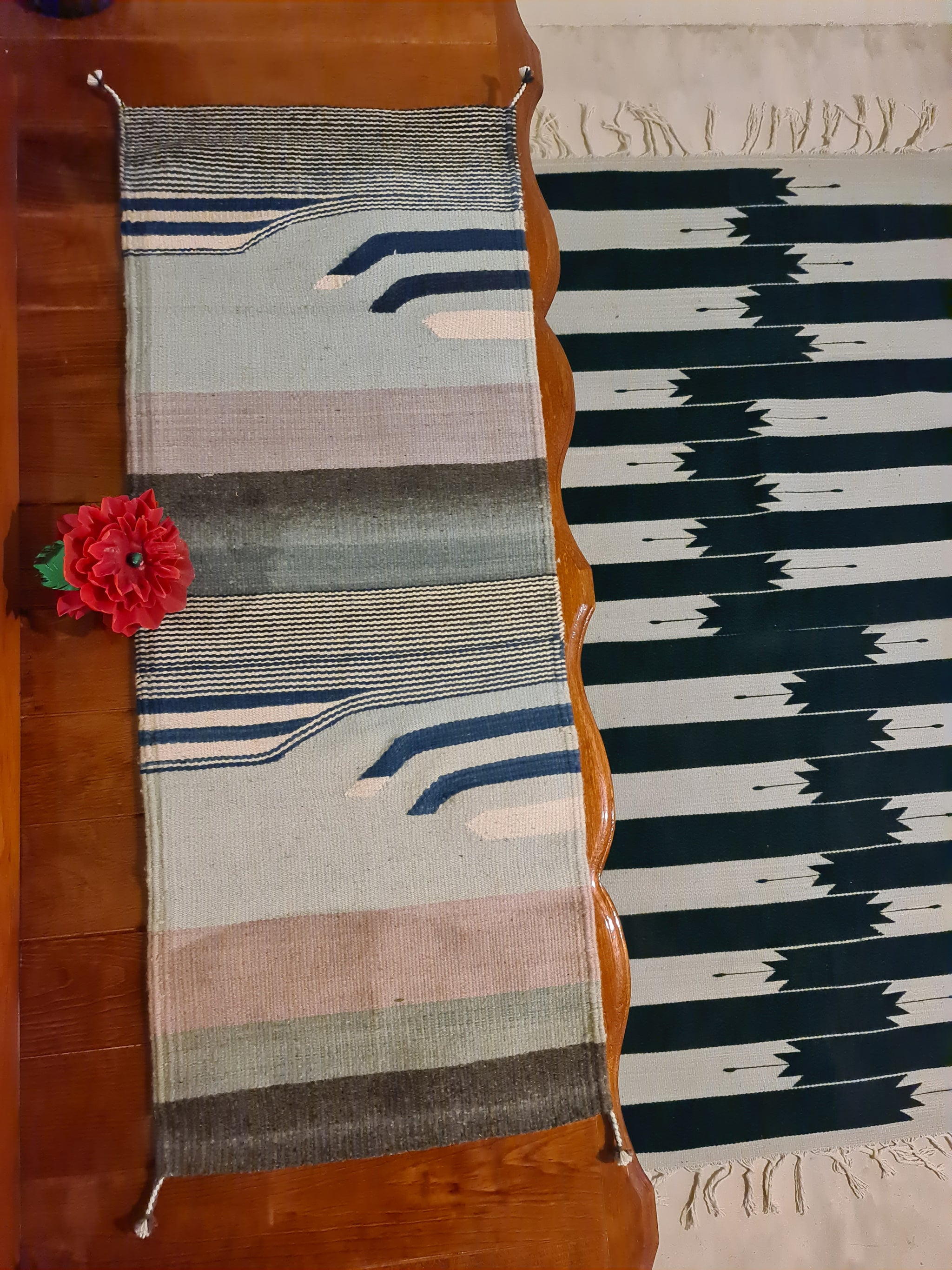
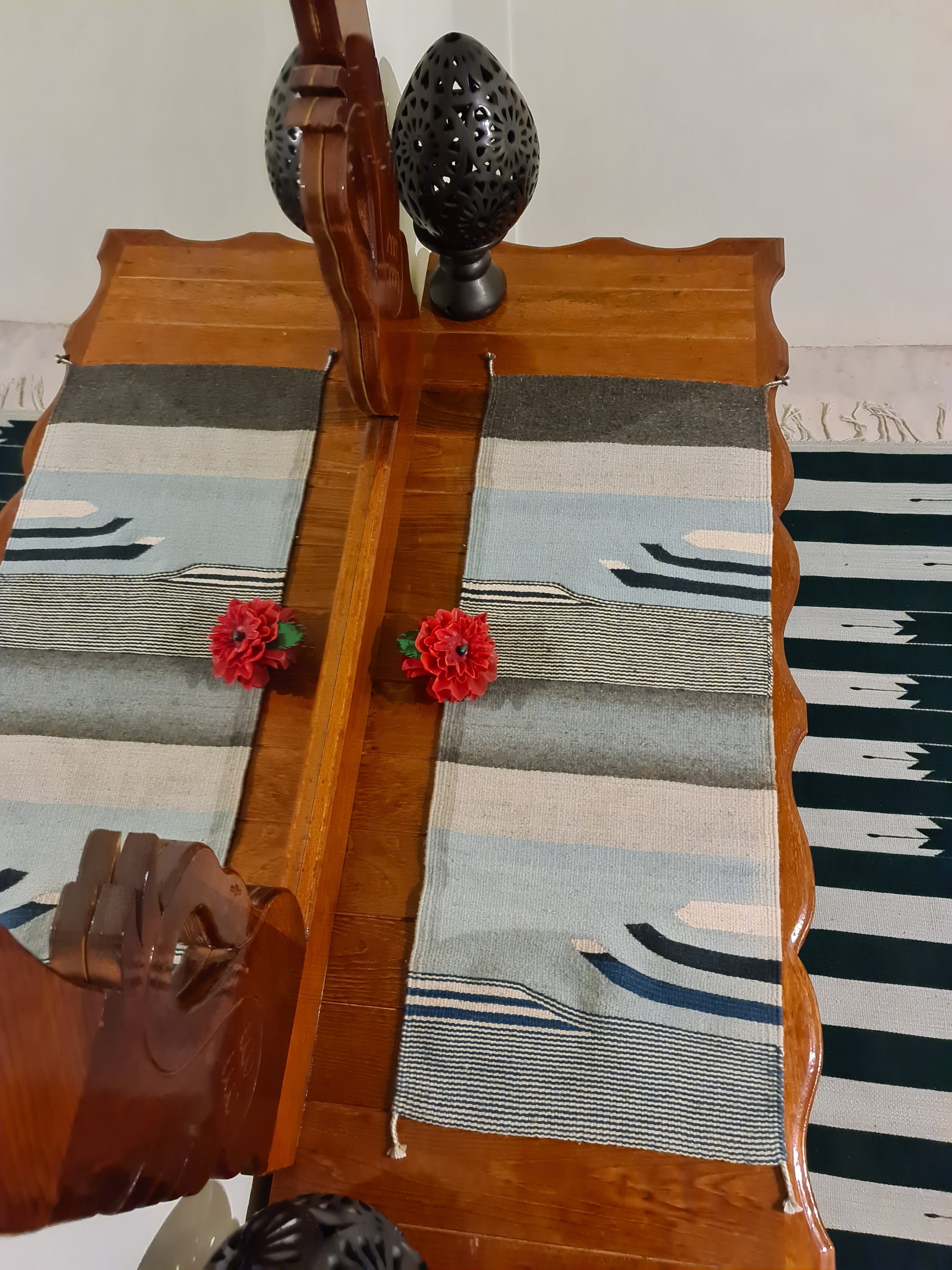
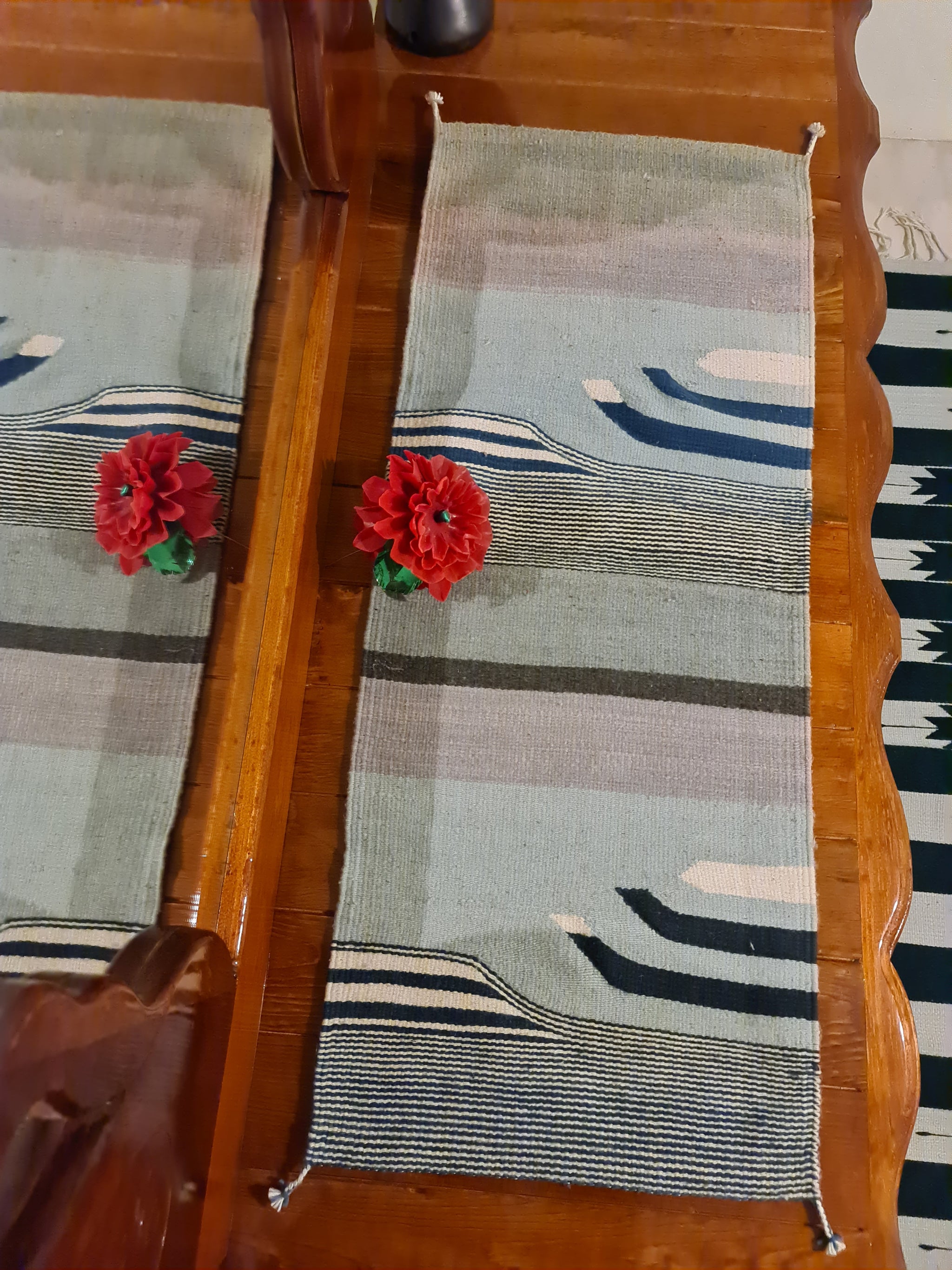
River Spirit
$ 3,110.00
Size: 40x100cm; 16in x 3.2ft Weaver: Zenaida Lopez from San Miguel del Valle Materials and Methods: Criollo sheep wool hand dyed by Leonor Lazo and Samuel Bautista using xiuhquilitl (indigo)...


Yaag Chei: tree of life
$ 5,500.00
Size: 60x100cm; 2x3ft Master Weaver: Samuel Bautista Lazo Materials and methods: criollo sheep wool spun in the mills of the Batalla family in Tianguistengo. Hand dyed yarns by Leonor Lazo using...
