


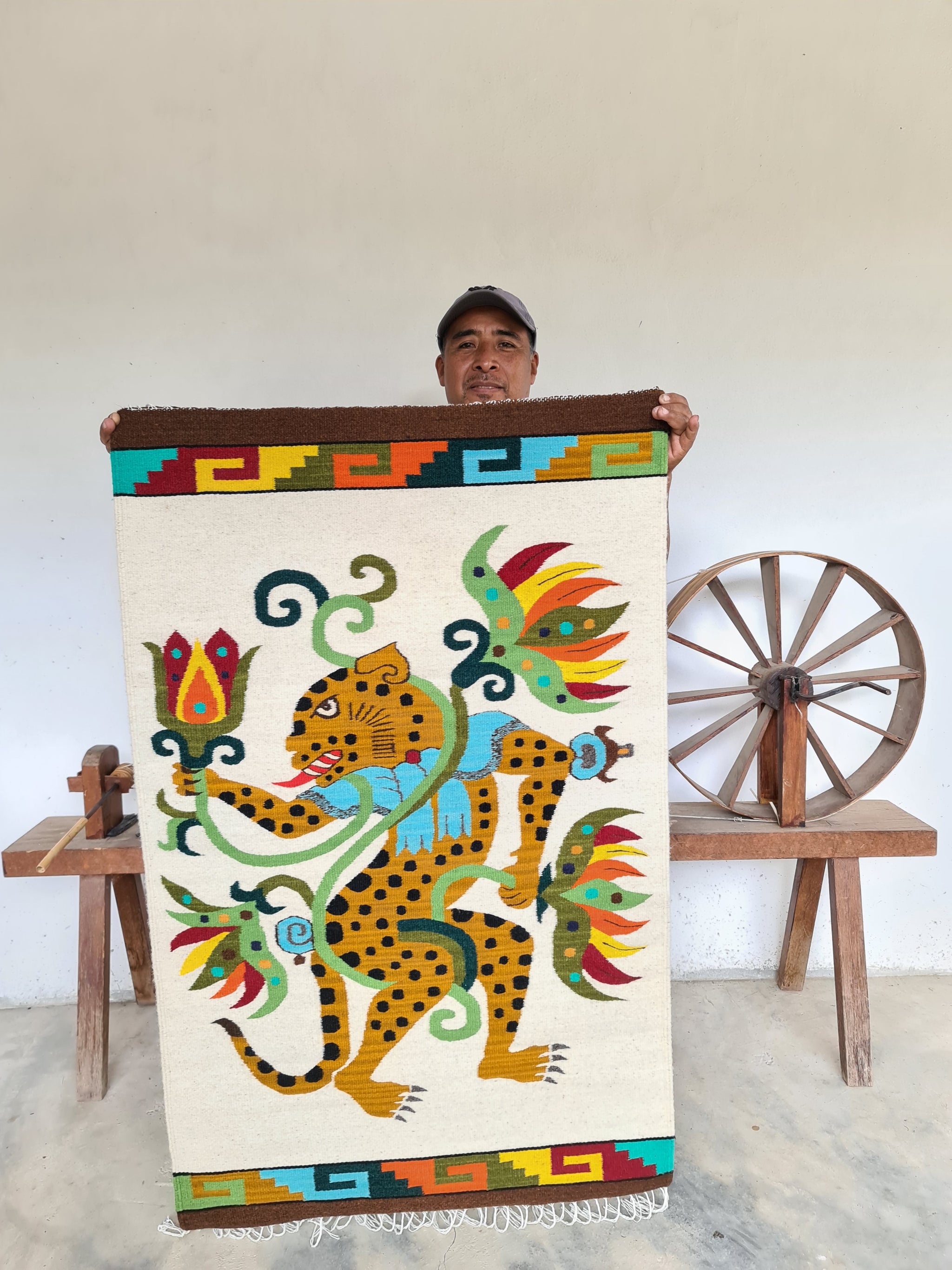
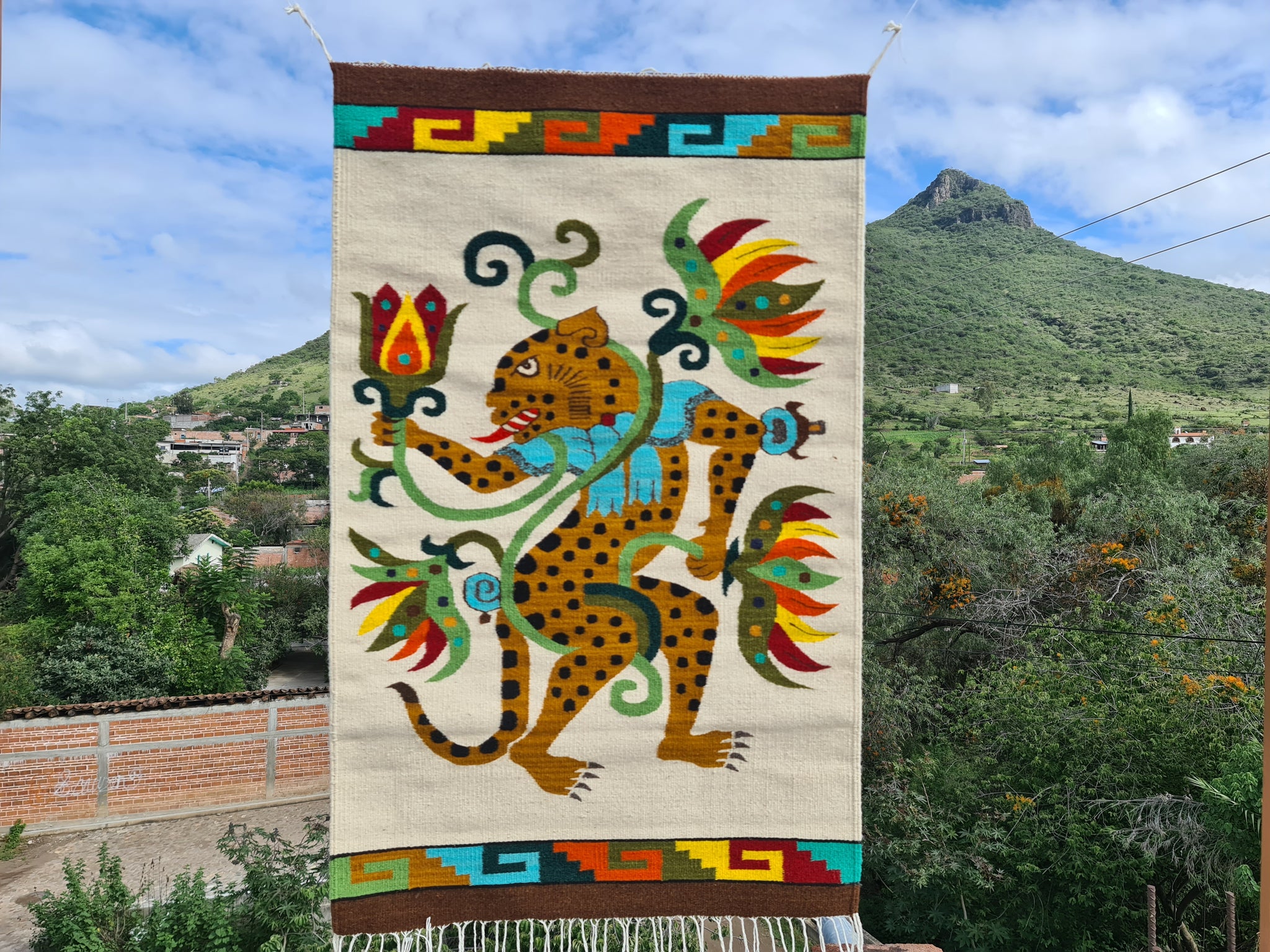
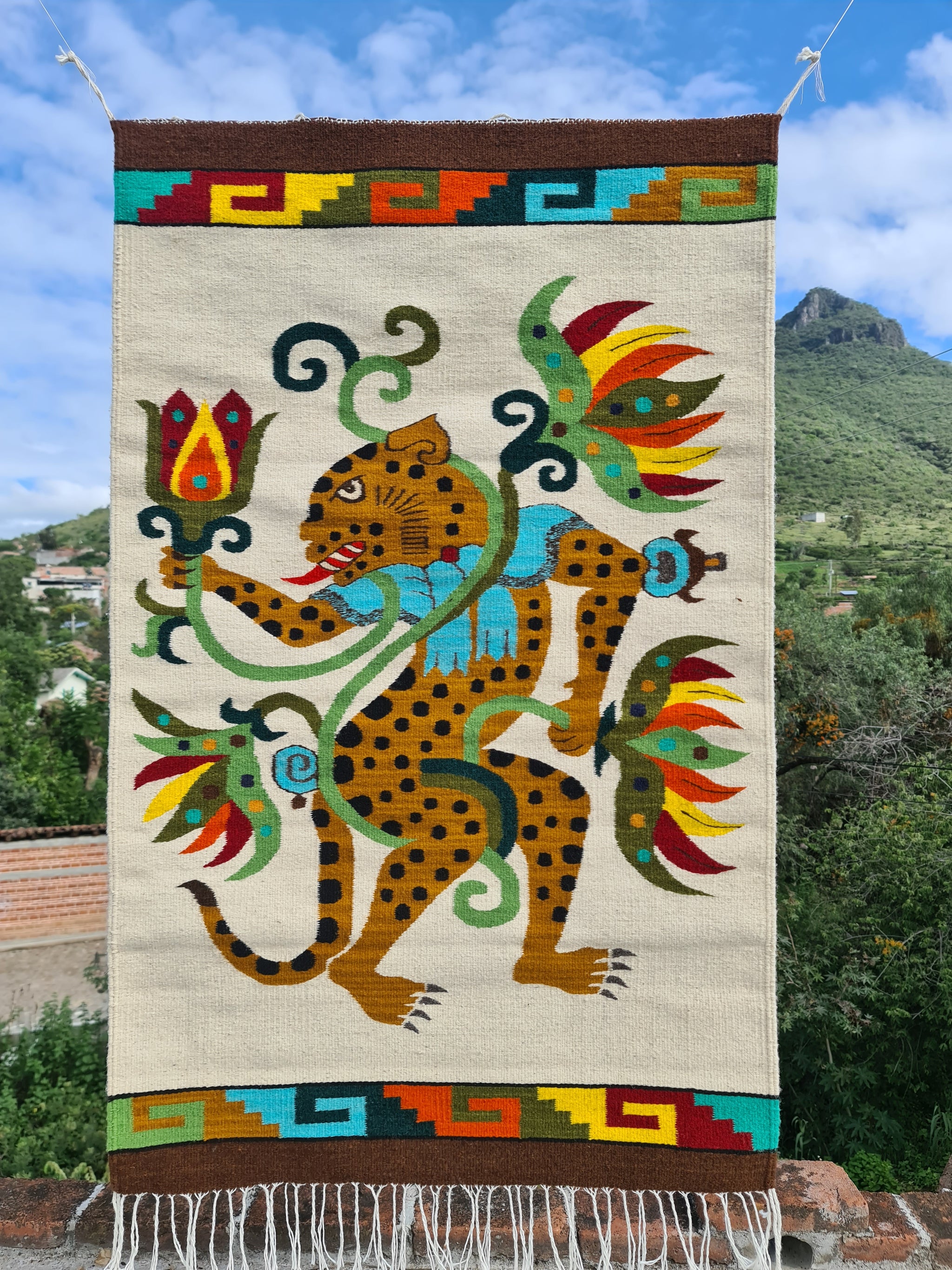
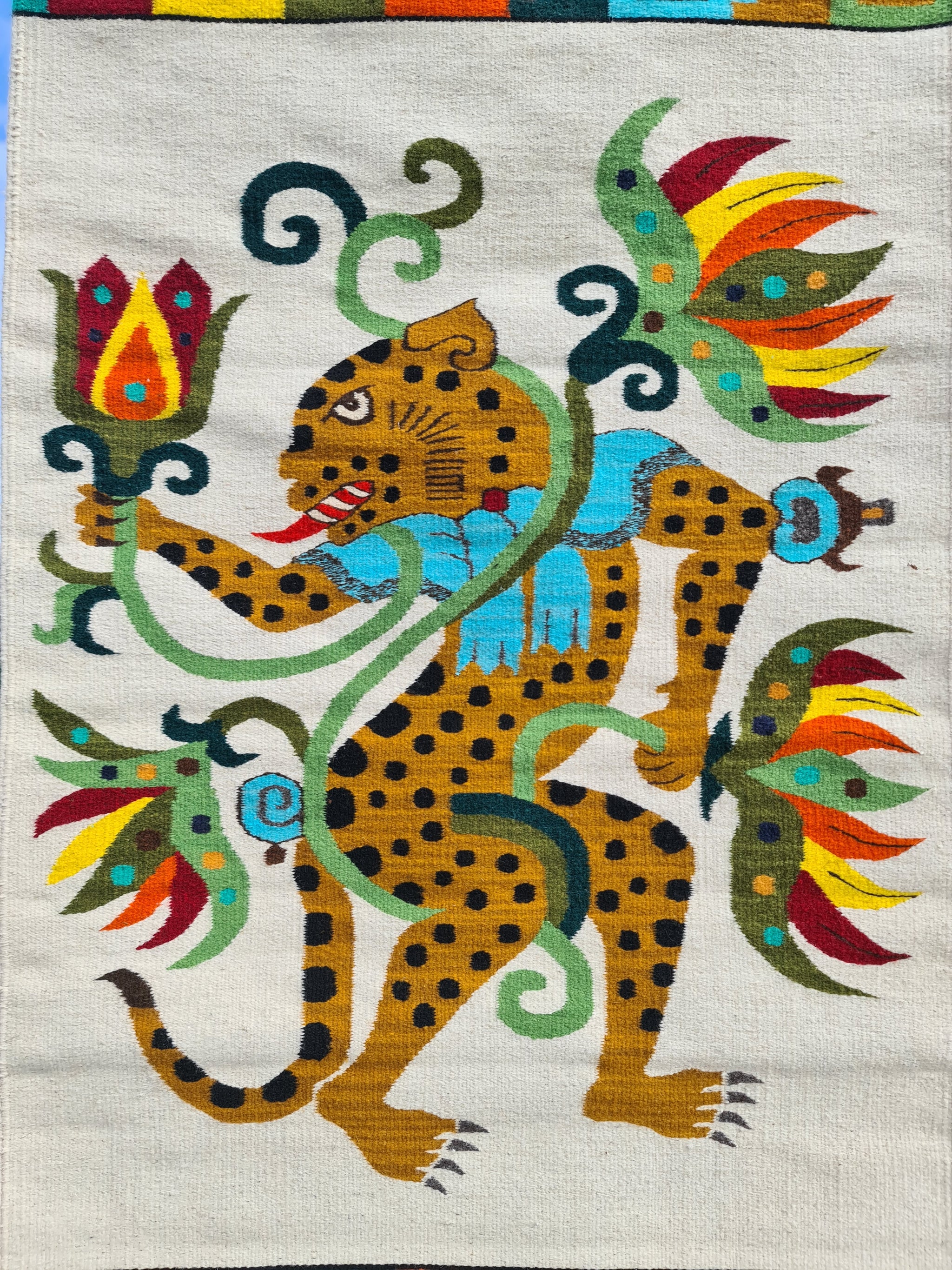
Shaan Duuv nopi: Meyewal
$ 30,000.00
Size: 101x131cm 3.3x4.2ft
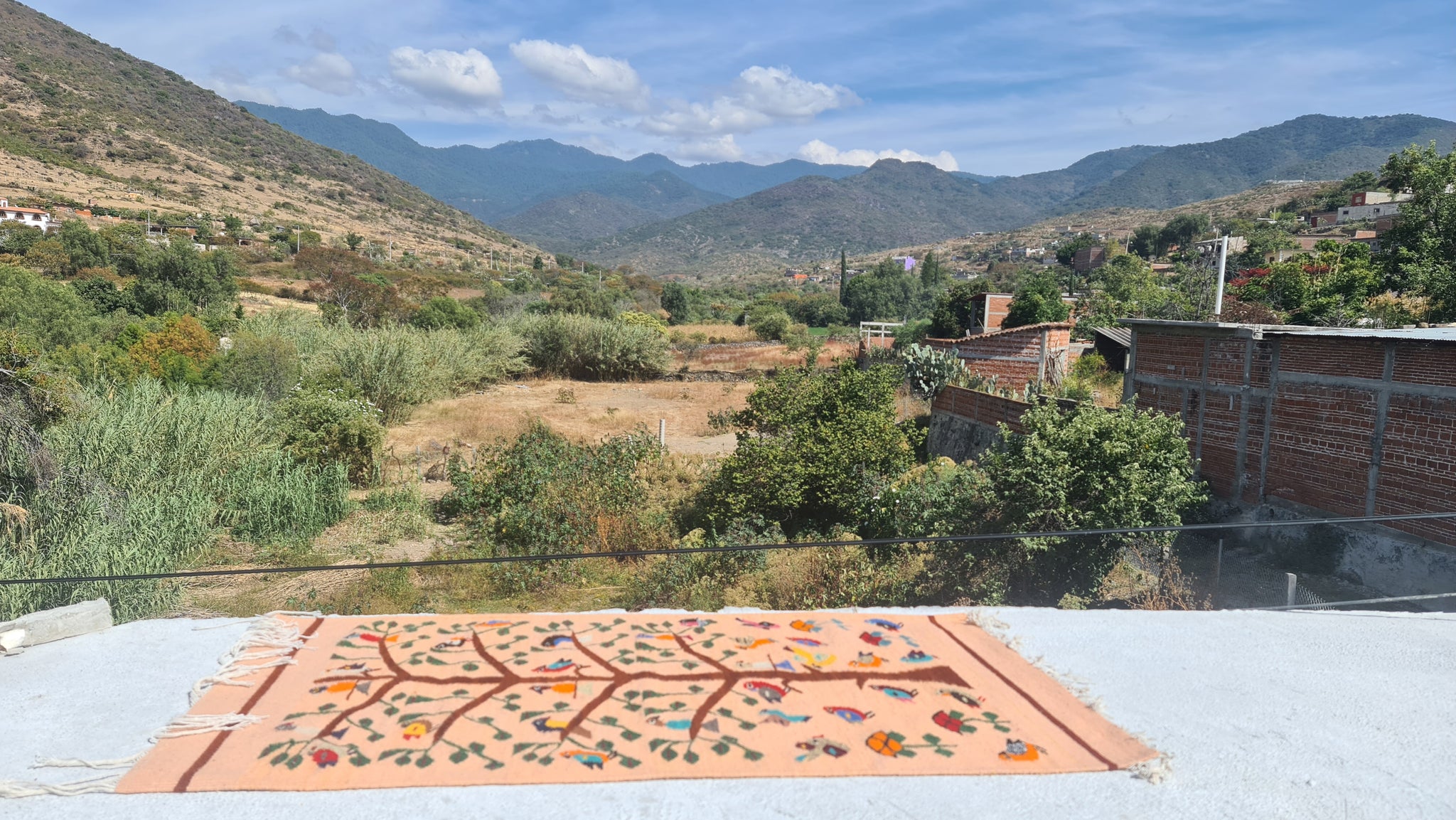
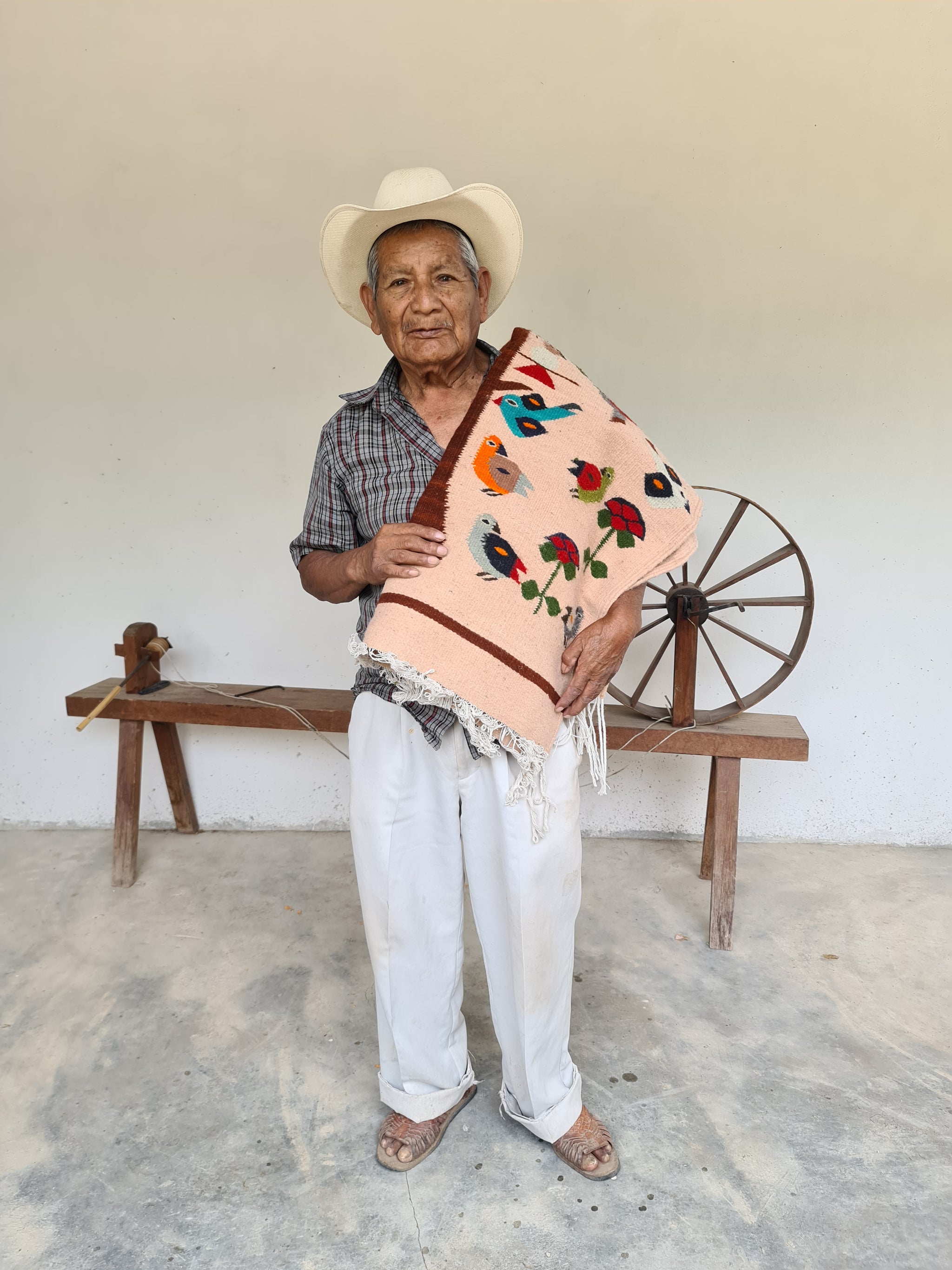
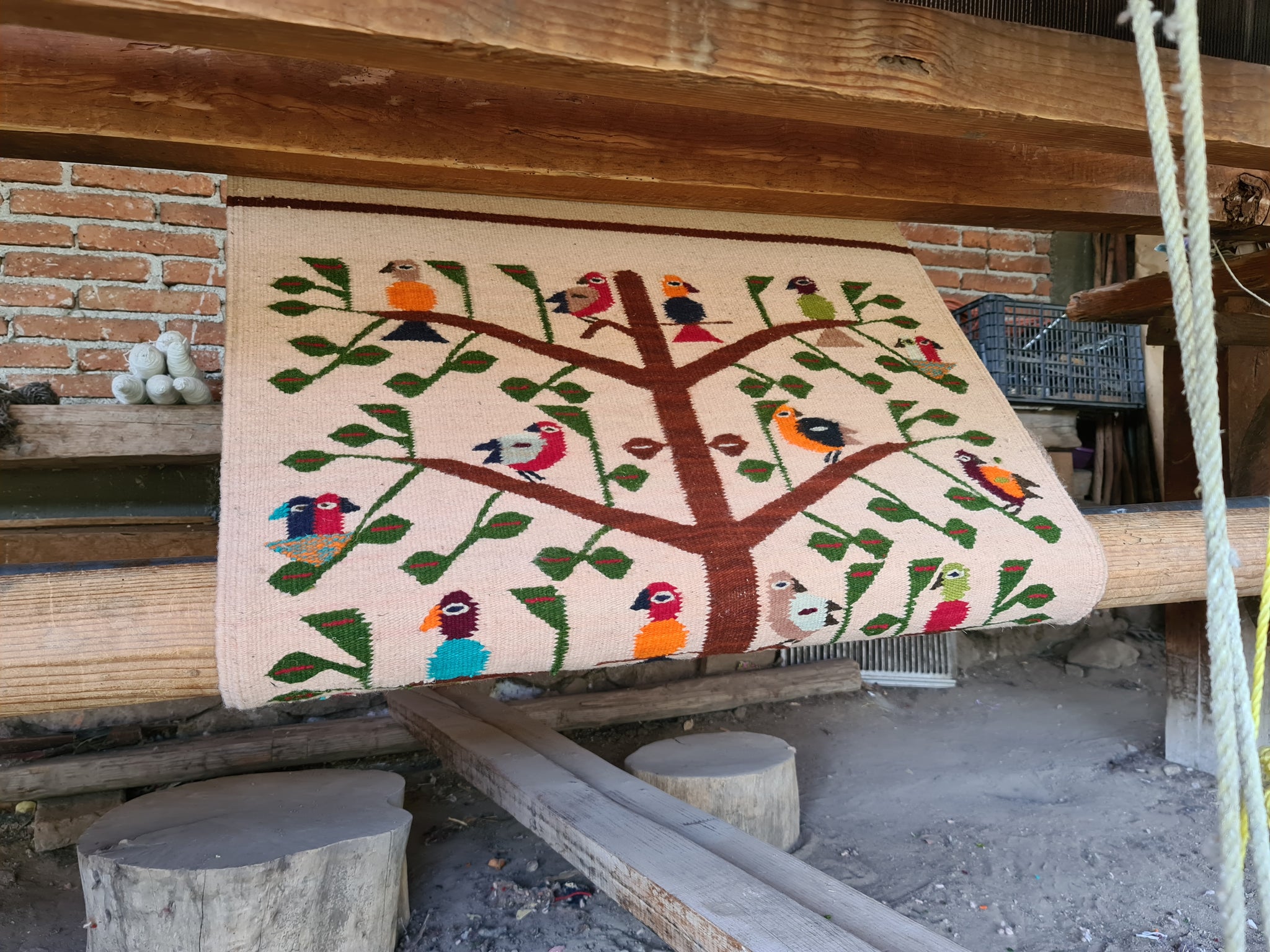
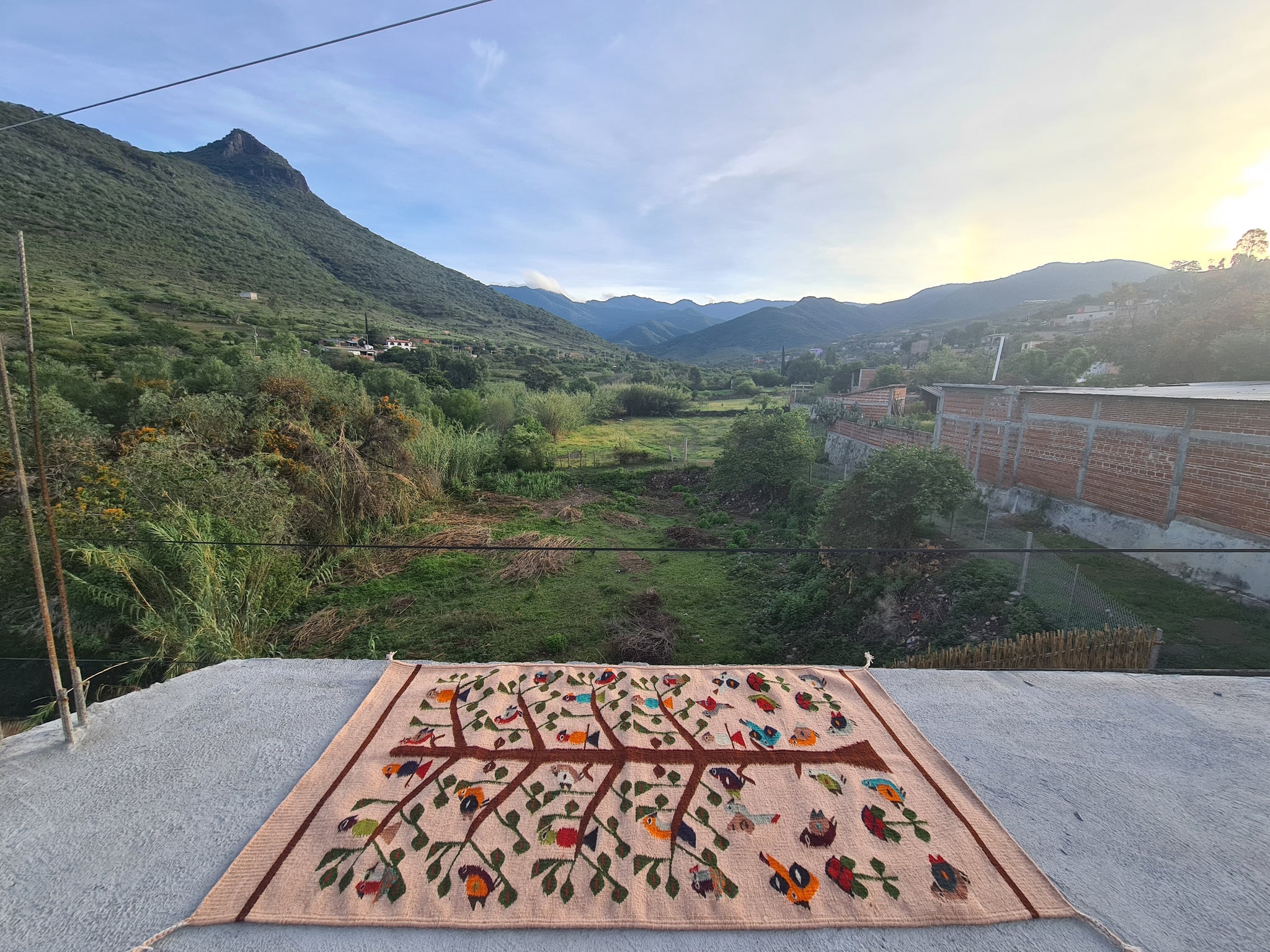
Materials and methods: Criollo sheep wool spun at the mills of Tianguistengo hand dyed in an exhaustive aniline dye bath for colorfastness. Handwoven on a Zapotec style loom of the 16th century adapted from European styles. Woven using a 7 threads per inch reed and wool rayon blend for warp.
Weaver: Leonardo Martínez Sosa
Design, pattern and symbols.
So the name Mayahuel, it is most likely to have been badly transcribed from classic Nahuatl into Spanish, then into French on a document signed by André Thevet, a franciscan Friar in the 16th century. An article by Arqueología Mexicana points out that Meyewal is a more acurate name to designate to the godess of Maguey (Agave), it should be interpreted as the spirit of the plant instead of the godess of dunkenness and debauchery. It is more likely that the bias of the Franciscan Friar that made that interpretation because pulque was drunk ritually at the big celebrations where song and dance was offered communally to the ancient gods of the earth and sky.
Unfortunately for us; pulque was portrayed for a long time as the drink of peasants and was stigmatized by the beer industry spreading rumors that it was dirty. But in spite of all that; pulque remains a ritual drink still offered freely for all gathered at our rain pray celebrations during the Preciosa Sangre ceremonies and during the feetival of the elders (carnaval), it cannot be missed during weddings and it is still mixed with atole and given as a treat for lactating mothers. Nopi, as we call Pulque, it is quite literally, the milk of the earth that feed and nurture us. Pulque is a very nutricious drink, full of probiotics, minerals, vitamins and aminoacids; this is why it is given to lactating mothers, children and the elderly. In prehispanic times its consumption was heavily regulated, being drank in rituals and festivals by the people and reserved for the elites on a more frequent basis. Being a drunk on pulque was severely punished with exile and even death.
This rug is framed at the top and bottom with the symbol of the agave, a hill and the cycle of life. Meyewal is sitting on a turtle, which represents the earth that floats on the primordial ocean. The agave stalk is split on two branches which represents the union of the male and female, the union of Quetzacoatl-Ehecatl and Meyewal referred to in the ancient myth. When Tzitzimitl (grand mother of stars) found out that Meyewal had escaped to the earth with Quetzalcoatl-Ehecatl she was furious and ordered her 400 sons to acompany her and destroy her; they found Meyehual and Quetzalcoatl-Ehecatl embraced as two branches on a tree; they destroyed Meyewal and left Quetzalcoatl-Ehecatl untouched. Quetzalcoatl-Ehecatl buried the ashes of Meyewal and from that the maguey was created. Meyewal is often associated with the moon, fertility and often associated with hares. The idea of the stars fighting the moon is a recurring topic in ancient mythology, the story of Coyolxauhqui has this same dynamic. The giant impact hypothesis proposes that roughly 4.5 billion years ago, a planet name Theia struck the earth and from this debris the moon was formed. The agave plant has a strong connection to the moon cycles because the sap of the plant moves through the heart of the agave according to the phases of the moon. The agave is almost an extraterrestrial plant given its resiliency; it can survive on 10% of the water required by corn or sugar cane thanks to the Crassulacean acid Methabolism (CAM), a highly water efficient form of metabolism. The agave plant was destroyed by the star beings but it was buried and sprouted back to life; this part of the myth may point out to the fact that agaves use vegetative cloning by sprouting clone plants from their lateral root system, one could literally take a root and plant it else where and the agave plant will sprout into life, this is why it is considered as an invasive species in some parts of the world. However, for the first nations of the Anawak civilization (mesoamerica and aridoamerica), this is our mother Plantcestor. Agaves fed many early communities in the continent, the baked hearts of the agave provided excellent source of nutrition; archaeologist have found agave fiber remains in peoples teeth in their excavations. Then the plant was also used for fiber, our earliest weavings are made with agave fibers. I have the understanding that weaving might have been devised first from cordage making and then from weaving with our fingers, a technique that we still use to this day to weave pouches for slings and slingshots for hunting, the olders hunting tools of humanity. From that, weaving evolved by using sticks on the ground to weave Mecapales (thumplines), each stick substituting a finger and then having a limiteless ammount of sticks in the ground allowed people to make long fabrics. From those ideas and principles, the loom could have been easily deviced as each stick on the ground thransforms itself into a a warp thread that could be lifeted up and down. Agave leaves were also used as tiles in thatched roof building, effectively protecing us from the hardships of the skyworld. In this and many other ways here not mentioned, such as agave distillation using clay pots, the agave plant has been a nurturing plant for building an entire civilization, a sweet nectar that reaches the depth of the soul, a fuel that maintained love stories through time, the milk of the earth that nurtures the most vulnerable into health and the fabric that protects our skin and our heads from the harshness of the stars above our head as the myth reminds us.
Related Items


Yaag Chei: tree of life
$ 5,500.00
Size: 60x100cm; 2x3ft Master Weaver: Samuel Bautista Lazo Materials and methods: criollo sheep wool spun in the mills of the Batalla family in Tianguistengo. Hand dyed yarns by Leonor Lazo using...
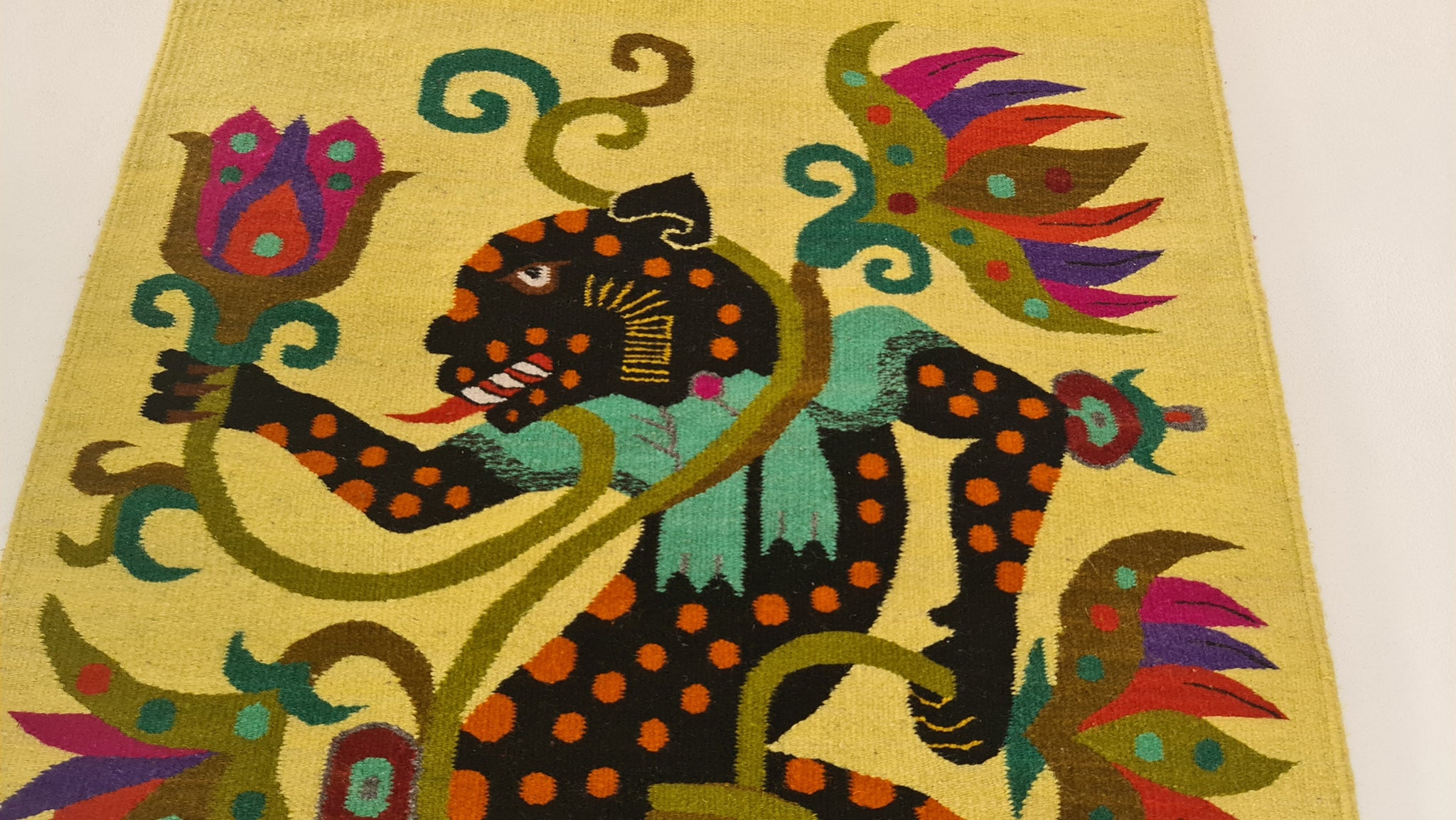
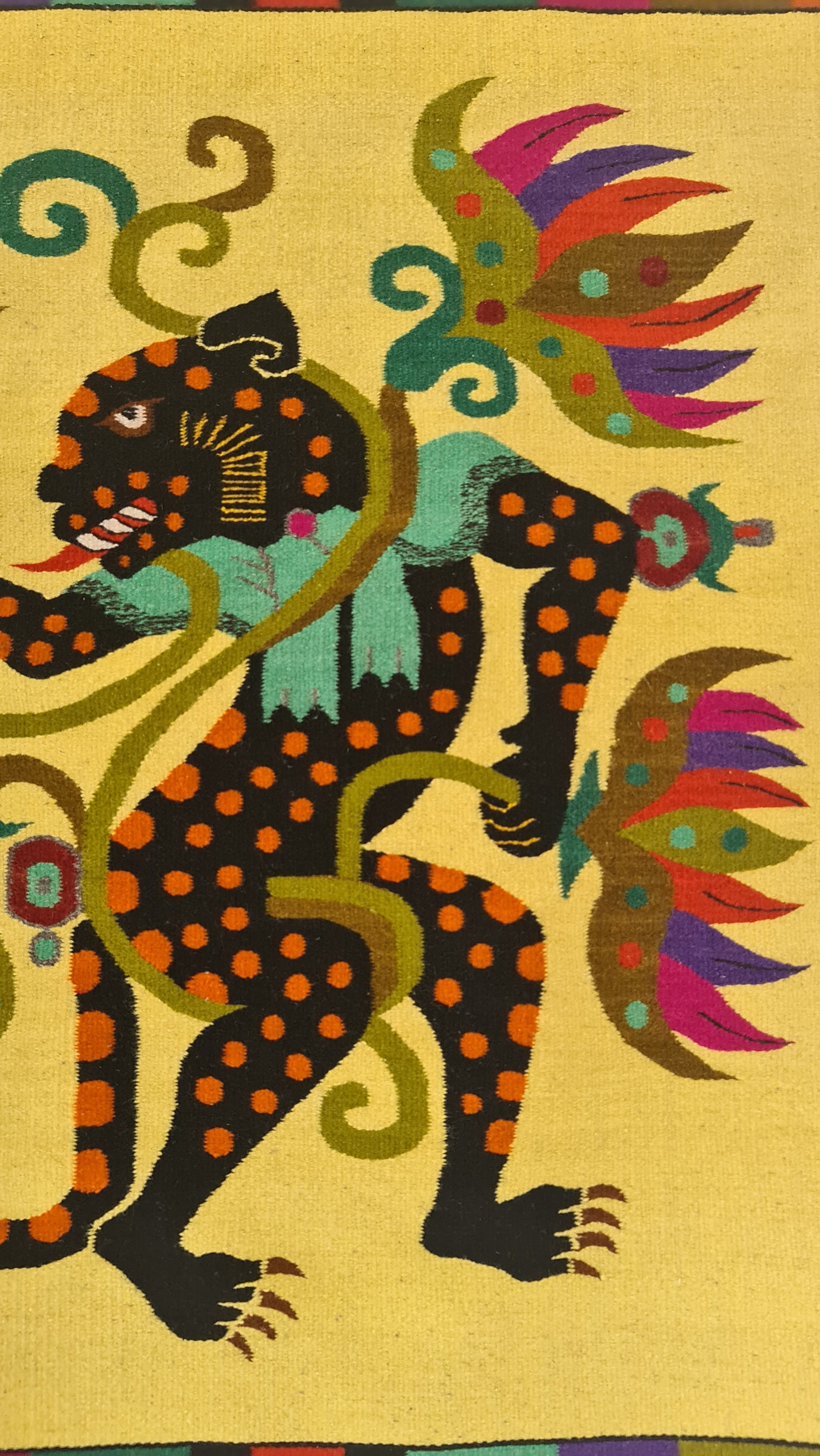
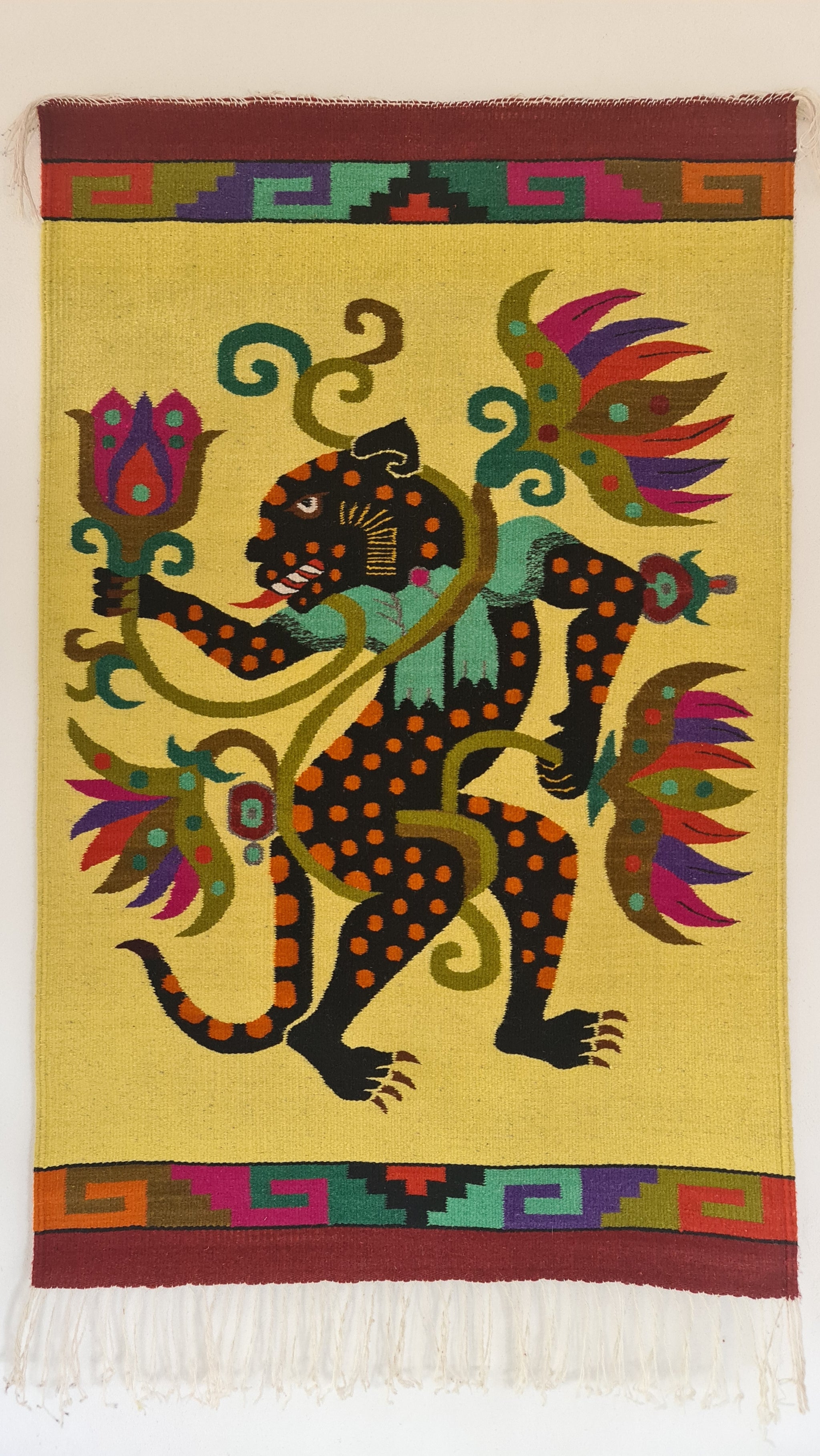
Beaz guie'a: water lily Jaguar
$ 14,000.00
Size: 81x121cm; 32x47.6in Materials and methods: criollo sheep wool hand dyed with colorfast aniline dyes in exhaustive dye vat. This tapestry work was handwoven on a Zapotec walking loom of...
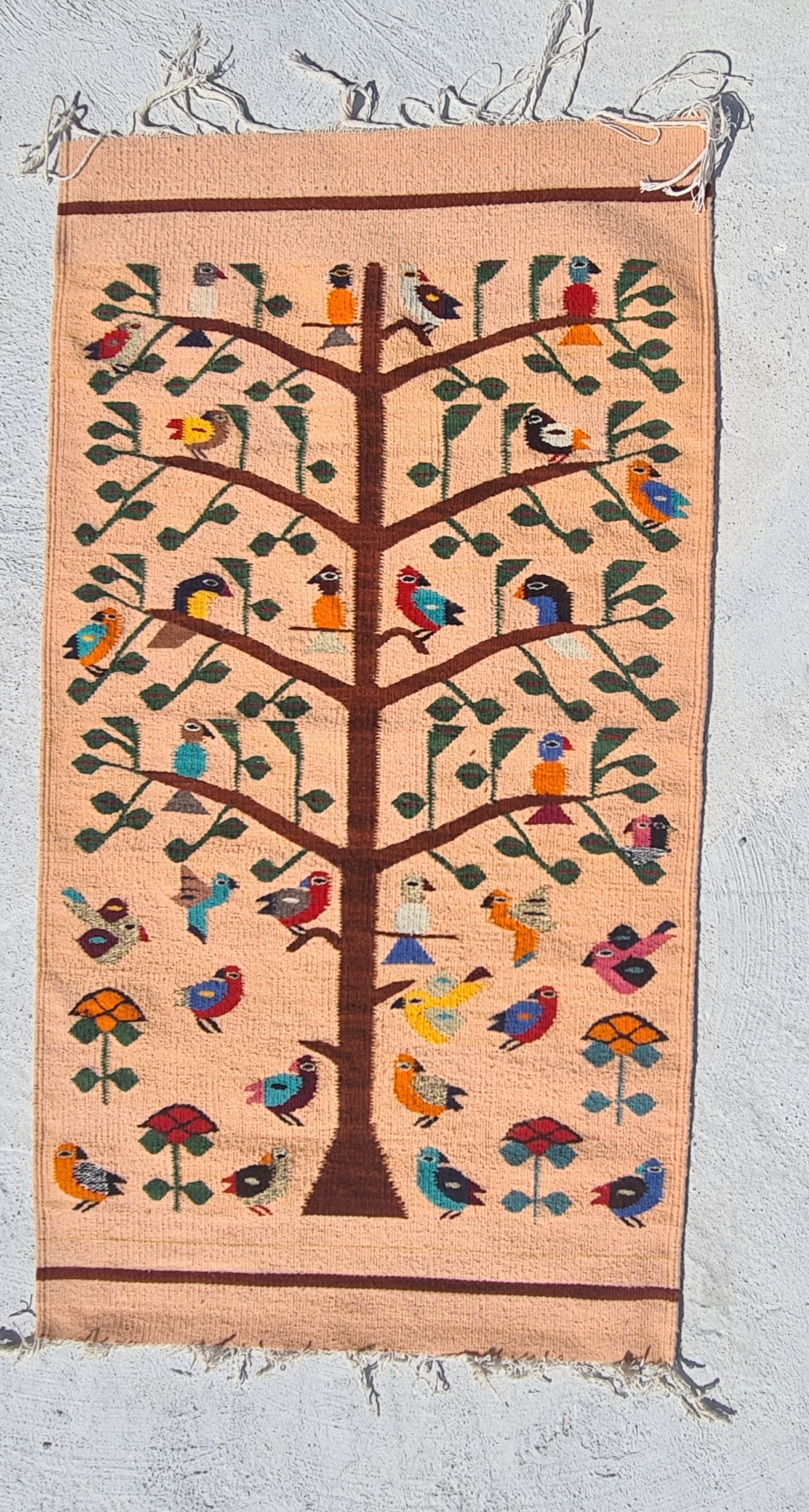
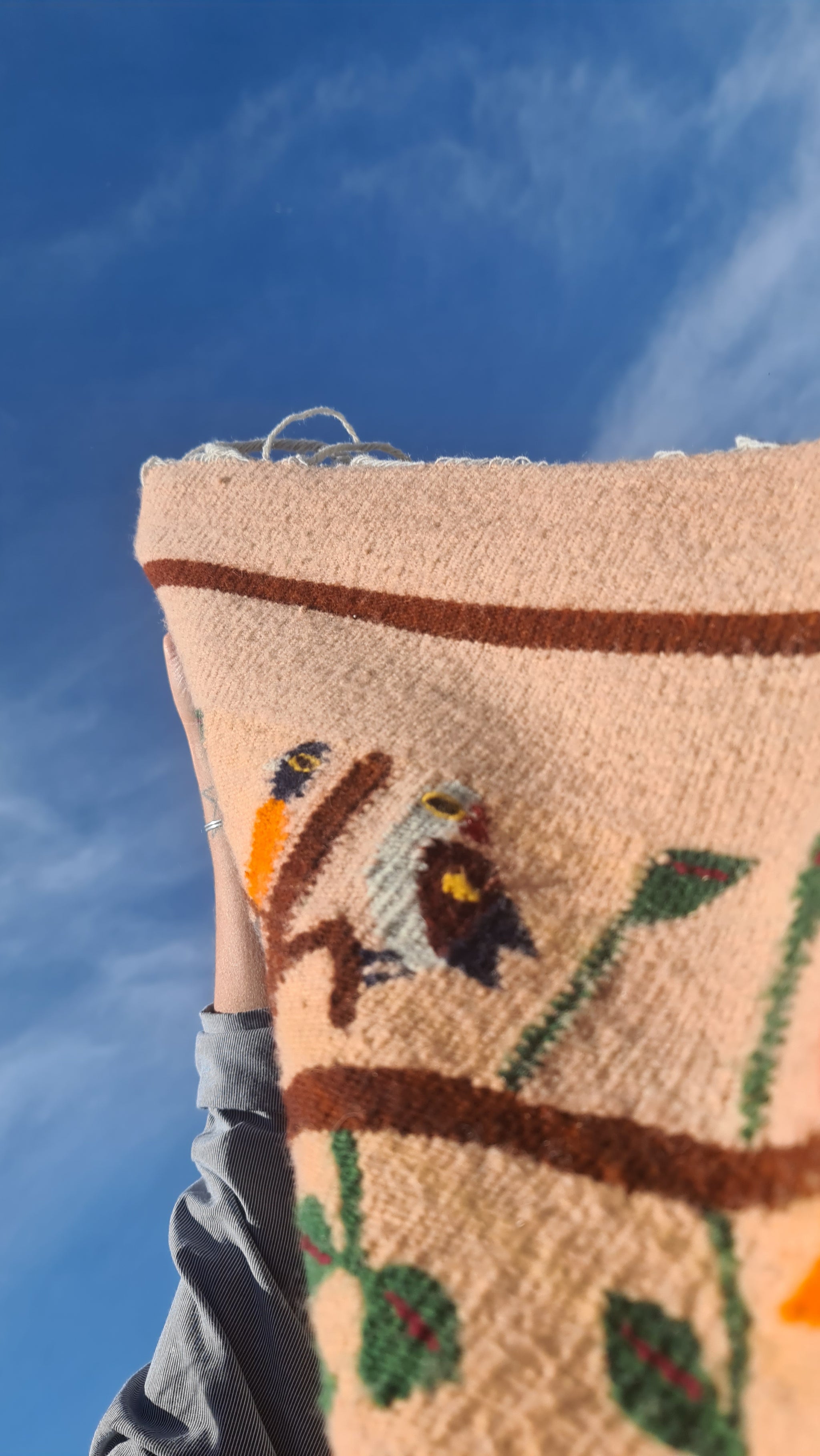
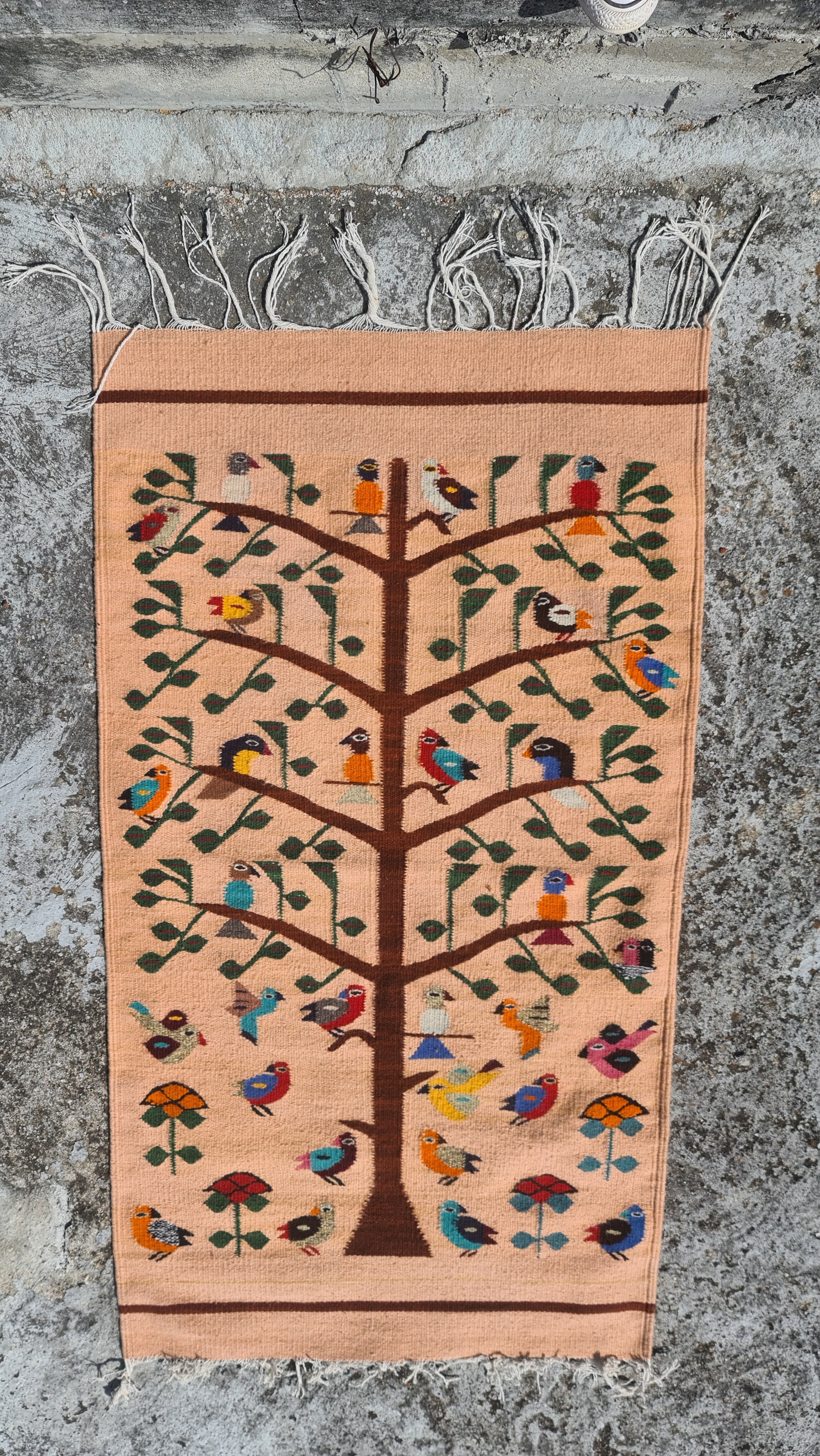
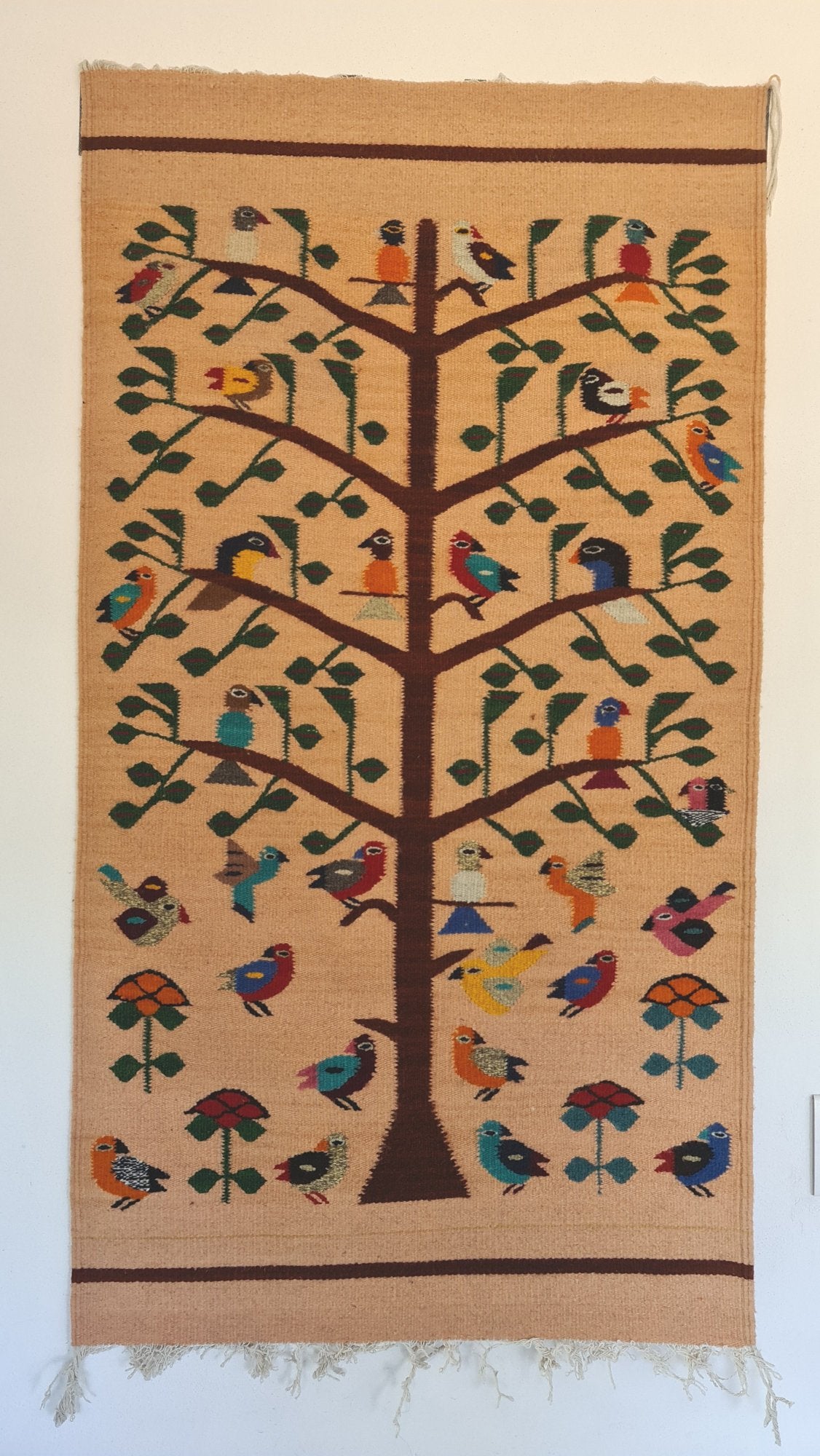
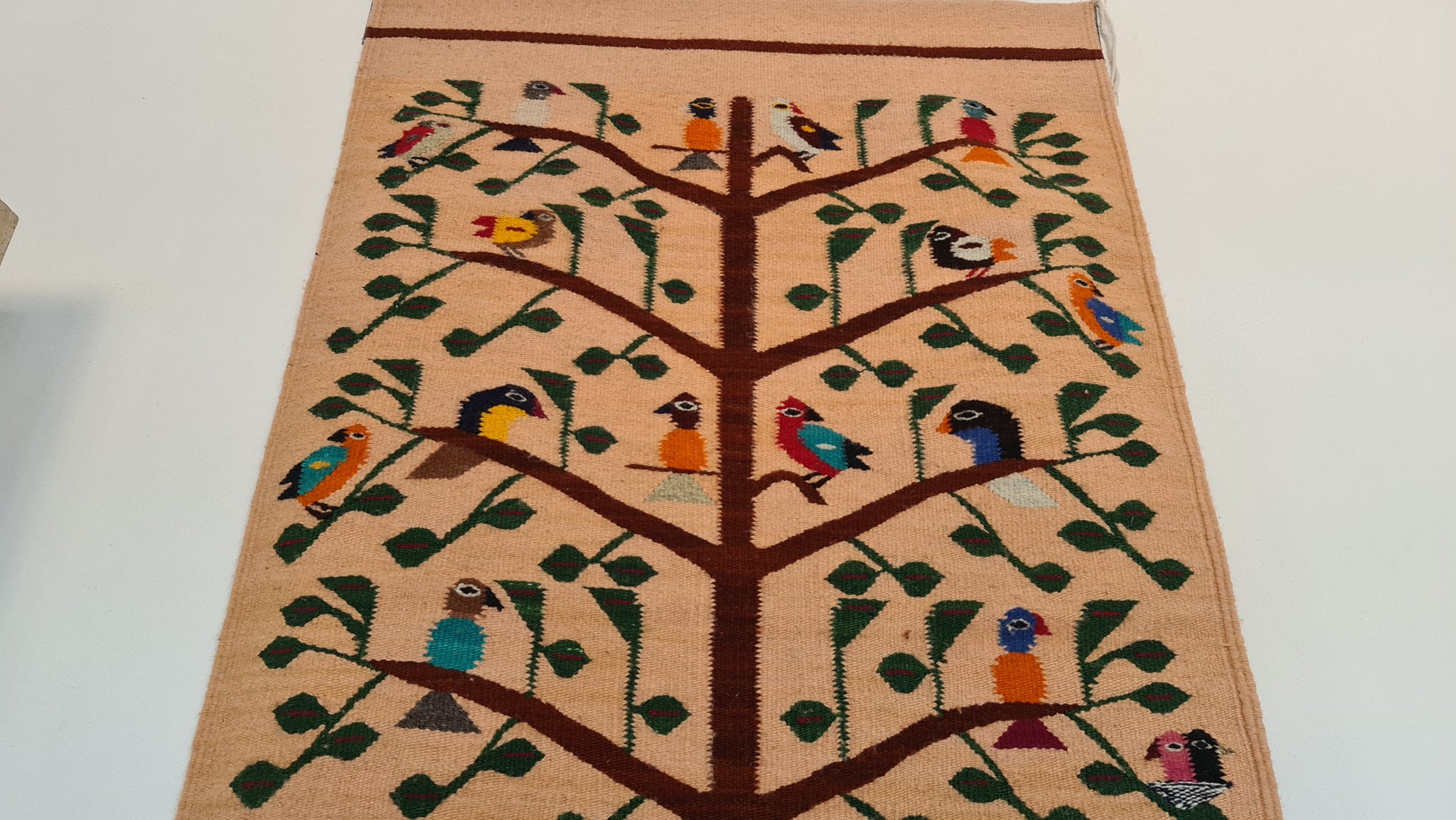
Yaag Chei: tree of life
Sold Out
Size: 80x150cm 2.6x5ft Weaver: Jacinto Gutierrez Materials and methods: criollo sheep wool dyed with aniline dyes. Hand woven on a walking Zapotec style loom of the 16th century, woven using...
